Common Mold Hotspots in Parsippany-Troy Hills and How Professional Inspections Find Them
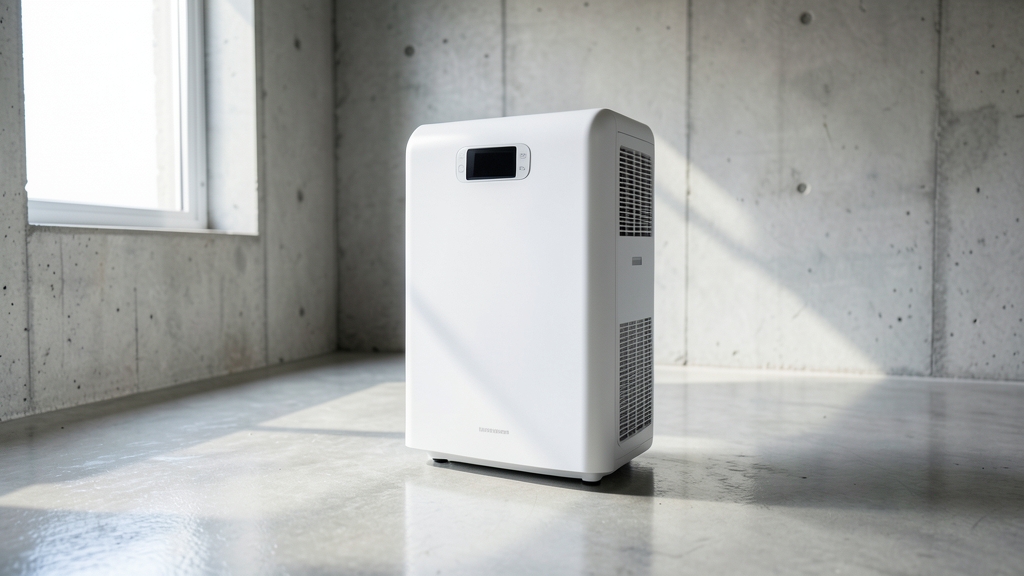
Mold thrives in hidden, damp corners—often long before you notice the musty smell or see the first dark spots. In our area’s humid summers and wet springs, certain spots in Parsippany-Troy Hills homes are prime targets. We’ll show you where to look and how our team uses advanced tools to detect mold before it becomes a major remediation project.
Why Parsippany-Troy Hills Homes Are Prone to Mold Growth
Our region’s climate—warm, humid summers and cold, damp winters—creates ideal conditions for mold. Poor ventilation and water intrusion from heavy rains or snowmelt accelerate the problem, especially in older homes.
Basements and crawl spaces in Morris Plains and Boonton often lack proper moisture barriers, while attics in Denville or Montville can trap heat and humidity. Even modern homes in Morristown aren’t immune if water damage goes unaddressed.
Top 5 Mold Hotspots in Local Homes
Basements and crawl spaces top the list. These areas collect moisture from the ground, especially after heavy rainfall common in North Jersey. Without encapsulation or a vapor barrier, mold spreads quickly on concrete, wood, and insulation.
Attics are another high-risk zone. Poor ventilation traps heat and moisture, leading to condensation on rafters and sheathing. Ice dams in winter can also introduce water, feeding mold growth on plywood and insulation.
Bathrooms, kitchens, and laundry rooms see frequent water use. Leaky pipes, improperly sealed grout, or exhaust fans venting into attics (a common mistake in older Parsippany-Troy Hills homes) create persistent dampness.
HVAC systems can distribute mold spores throughout your home if ductwork or coils harbor moisture. This is why air quality testing is critical—mold may be hidden but actively circulating.
Behind walls and under flooring, water damage from leaks or flooding goes unnoticed until it’s severe. Drywall and carpeting are porous, absorbing moisture and providing a food source for mold.
How Professional Mold Inspections Work
We start with a visual assessment, but that’s just the beginning. Mold often hides in places you can’t see, like inside wall cavities or beneath flooring.
Moisture meters help us detect elevated humidity levels in materials, even if the surface appears dry. Thermal imaging cameras reveal temperature differences that indicate hidden moisture or mold behind walls.
For tight spaces like crawl spaces or ductwork, we use borescopes to inspect without destructive testing. Air quality testing captures spore counts, identifying mold types and concentration levels that aren’t visible to the naked eye.
Home test kits can confirm mold presence but won’t pinpoint the source or extent. Our tools and expertise uncover hidden growth, saving you from costly remediation oversights.
Signs You Might Have a Mold Problem
Musty odors are the most common red flag. If you notice a persistent earthy smell, especially in basements or attics, it’s worth investigating further.
Visible mold—black, green, white, or gray spots—on walls, ceilings, or around windows is a clear sign. Don’t assume it’s just dirt or soot; mold can grow in a variety of colors.
Allergic reactions like sneezing, itchy eyes, or respiratory issues that worsen at home may indicate mold exposure. These symptoms often improve when you’re away from the property.
Mold Warning Signs
- Persistent musty odors
- Visible mold growth (any color)
- Water stains or discoloration on walls/ceilings
- Peeling paint or wallpaper
- Unexplained allergic symptoms at home
Mold Hotspots: Basements vs. Attics vs. Bathrooms
Each area presents unique challenges for mold growth and remediation. Basements often require encapsulation and dehumidifiers, while attics may need improved ventilation or insulation upgrades.
Bathrooms typically need better exhaust systems and moisture-resistant materials. The solution depends on the root cause—whether it’s poor airflow, water intrusion, or high humidity.
| Area | Primary Cause | Common Mold Types | Remediation Focus |
|---|---|---|---|
| Basement/Crawl Space | Ground moisture, poor drainage | Aspergillus, Penicillium | Encapsulation, vapor barriers, dehumidifiers |
| Attic | Poor ventilation, roof leaks | Cladosporium, Stachybotrys | Ventilation upgrades, insulation, leak repairs |
| Bathroom | High humidity, leaks | Alternaria, Chaetomium | Exhaust fans, waterproofing, grout sealing |
| HVAC System | Condensation, dirty coils | Acremonium, Fusarium | Duct cleaning, coil maintenance, moisture control |
The Role of Moisture Control in Mold Prevention
Mold can’t grow without moisture. In Parsippany-Troy Hills, controlling humidity levels (ideally between 30-50%) is key to prevention, especially during our humid summers.
Dehumidifiers in basements and crawl spaces, proper grading around your home’s foundation, and regular gutter maintenance help keep water away. Even small leaks in roofs or pipes should be addressed immediately.
For attics, ridge vents and soffit vents improve airflow, reducing condensation. In bathrooms, exhaust fans should vent outside—not into the attic, a mistake we often see in older homes.
A slow drip from a pipe or roof can lead to major mold growth in as little as 24-48 hours. Address water issues immediately to avoid costly remediation.
When to Call a Mold Remediation Expert
If you’ve found mold covering an area larger than 10 square feet, it’s time to call in professionals. DIY cleaning can disturb spores, making the problem worse if not done correctly.
After water damage—whether from a burst pipe, flooding, or a leaky roof—expert inspection and remediation ensure mold doesn’t take hold. We also recommend professional testing before purchasing a home, especially in older neighborhoods.
For commercial properties in Morristown or Montville, regular inspections and air quality testing help maintain a healthy environment for employees and customers.
How to Prepare for a Professional Mold Inspection
A little preparation helps our team work efficiently and accurately.
- 1Clear Access to Problem Areas
Move stored items away from walls in basements, attics, or closets where mold is suspected. This allows us to inspect thoroughly without missing hidden spots.
- 2Note Any Visible Signs
Jot down locations of musty odors, water stains, or visible mold. Share this with our team to streamline the inspection process.
- 3Check for Recent Water Issues
Let us know about any past leaks, flooding, or plumbing work. This history helps us focus on high-risk areas.
- 4Secure Pets and Children
Keep pets and kids out of the inspection areas for safety. Our tools and processes are non-invasive but require a clear workspace.
- 5Be Ready for Testing
If air quality testing is recommended, close windows and doors 12 hours beforehand for accurate spore count readings.
Frequently Asked Questions
How common is mold in Parsippany-Troy Hills homes?
Mold is very common in our area due to the climate and older housing stock. Many homes in Parsippany-Troy Hills, Morris Plains, or Boonton have basements or attics that lack modern moisture controls, making them susceptible. Regular inspections can catch issues early.
Can mold come back after remediation?
Yes, if the root cause—like a leak or poor ventilation—isn’t addressed. Our team doesn’t just remove mold; we identify and fix the moisture source to prevent recurrence. This might include repairs, dehumidifiers, or ventilation upgrades.
Is black mold more dangerous than other types?
Stachybotrys (black mold) can produce toxins, but all mold should be treated seriously. The CDC advises removing any mold growth, regardless of type. Health effects vary by individual, but prolonged exposure to any mold can cause respiratory issues.
How long does a mold inspection take?
A typical inspection for a single-family home in Parsippany-Troy Hills or nearby areas like Denville takes 1-3 hours, depending on the size of the property and the number of hotspots. Air quality testing may add time for lab analysis.
Do I need mold testing if I can already see mold?
Visible mold confirms a problem, but testing helps determine the type and extent of contamination, especially if it’s hidden. This information guides the remediation plan and ensures we address all affected areas, including those out of sight.
What’s the difference between mold inspection and mold testing?
An inspection is a visual and technical assessment to locate mold and moisture issues. Testing involves collecting samples (air, surface, or bulk) to identify mold types and spore counts. We often combine both for a comprehensive evaluation.