Does Mold-Resistant Paint Work for Homes in Parsippany-Troy Hills?
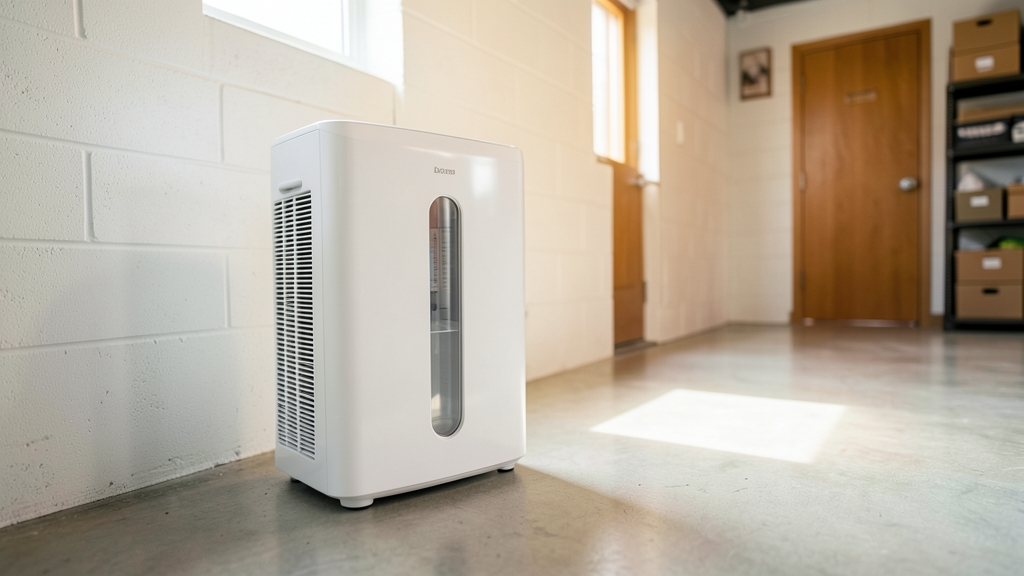
Homeowners in our area often ask if mold-resistant paint is a magic bullet. The short answer: it helps, but it’s not a standalone solution. We’ll break down what it can and can’t do, especially in Parsippany-Troy Hills’ humid summers and wet basements.
What Is Mold-Resistant Paint?
Mold-resistant paint contains mildewcides and antifungal additives designed to inhibit mold growth on painted surfaces. It’s not mold-proof, but it slows colonization on walls, ceilings, and trim.
These paints are ideal for high-moisture areas like bathrooms, basements, and crawl spaces—common problem zones in Morris Plains and Montville too. They work best on clean, dry surfaces where existing mold has already been removed.
How Effective Is It in North Jersey’s Climate?
Our region’s humidity spikes in summer, and basements in Parsippany-Troy Hills often battle dampness year-round. Mold-resistant paint can buy time, but without fixing the root moisture issue, mold will return.
It’s a preventive layer, not a cure. Think of it like sunscreen: it reduces risk but won’t stop all damage if you’re exposed to heavy UV—or in this case, persistent moisture.
Mold-resistant paint does not kill existing mold. Always remediate first, then apply as a barrier.
Mold-Resistant Paint vs. Regular Paint: Key Differences
Standard paint lacks antifungal agents, so mold can grow beneath or on the surface once moisture is present. Mold-resistant paint delays this, but only if the underlying issue is addressed.
| Feature | Mold-Resistant Paint | Standard Paint |
|---|---|---|
| Antifungal Additives | Yes (mildewcides) | No |
| Moisture Resistance | Moderate (slows growth) | None |
| Surface Prep Required | Must be mold-free and dry | No special prep |
| Best For | Bathrooms, basements, attics | General use |
| Cost Factor | Slightly higher | Lower |
Where It Works—and Where It Doesn’t
Great for: bathrooms, laundry rooms, and finished basements in Boonton or Denville where humidity is controlled. Also useful in attics if roof leaks are fixed and ventilation is improved.
Not enough for: active water intrusion, flooded crawl spaces, or hidden mold behind drywall. In these cases, professional mold remediation and water damage restoration are non-negotiable.
Use mold-resistant primer before painting. It adds an extra layer of protection, especially on porous surfaces like drywall.
When to Call a Mold Remediation Expert
If you see or smell mold, or if you’ve had water damage in Morristown or Morris Plains, paint won’t solve the problem. Our team uses moisture meters, thermal imaging, and air quality testing to find hidden issues.
We also handle the full scope: from mold inspection and testing to removal, containment, and prevention. Crawl space encapsulation and dehumidifier installation are often part of the solution.
Preventing Mold Beyond the Paint
Controlling humidity is critical. In our area, basements and attics need proper ventilation or dehumidifiers. Aim for indoor humidity below 50% to starve mold spores.
Fix leaks promptly, especially after heavy rains common in North Jersey. Even small drips can lead to big problems behind walls or under flooring.
Mold Prevention Checklist
- Inspect for leaks in roofs, pipes, and windows annually
- Use dehumidifiers in basements and crawl spaces
- Ensure bathroom and kitchen exhaust fans vent outside
- Clean and dry water-damaged areas within 24–48 hours
- Consider a professional mold inspection if you suspect hidden growth
Cost Factors for Mold-Resistant Paint vs. Professional Remediation
Mold-resistant paint costs more upfront but is a DIY-friendly project for small areas. For whole-home protection, especially after water damage, the investment in professional remediation pays off long-term.
Factors affecting remediation cost include the extent of mold, the type of materials affected (drywall vs. wood), and whether containment or HVAC cleaning is needed. Request a quote for an accurate assessment.
How to Apply Mold-Resistant Paint Correctly
Proper application is key to maximizing its effectiveness.
- 1Remove Existing Mold
Clean the area with a mold-killing solution (like Concrobium) or hire a pro for remediation. Never paint over active mold.
- 2Repair the Moisture Source
Fix leaks, improve drainage, or install a dehumidifier. Without this, mold will return regardless of the paint.
- 3Prep the Surface
Sand glossy surfaces, fill cracks, and apply a mold-resistant primer. Ensure the area is completely dry.
- 4Apply the Paint
Use a high-quality brush or roller. Two coats are recommended for best protection, especially in high-moisture areas.
- 5Maintain the Area
Monitor humidity levels and reapply paint as needed, typically every 5–10 years or after water exposure.
Frequently Asked Questions
Can I use mold-resistant paint in my Parsippany-Troy Hills basement?
Yes, but only after addressing moisture issues. Basements here often need waterproofing or a dehumidifier first. Paint alone won’t stop mold if the space stays damp.
Does mold-resistant paint work on wood?
It can help inhibit surface mold on wood trim or paneling, but wood is porous and prone to rot. For structural wood, remediation and moisture control are critical.
How long does mold-resistant paint last?
With proper application and moisture control, it can last 10+ years. However, in high-humidity areas like attics or crawl spaces, reapplication may be needed sooner.
Is mold-resistant paint safe for families?
Yes, once fully cured. The mildewcides are designed to be safe for indoor use, but always ensure good ventilation during and after application.
Will mold-resistant paint cover up mold stains?
No. Stains must be cleaned and treated first. Painting over mold hides the problem temporarily but allows it to spread unseen.
Do I need professional mold testing before painting?
If you suspect hidden mold or have had water damage, yes. Our team serves Parsippany-Troy Hills, Morristown, and nearby areas with thorough inspections to ensure safety.