Understanding the Link Between Mold and Chronic Respiratory Issues in Parsippany-Troy Hills
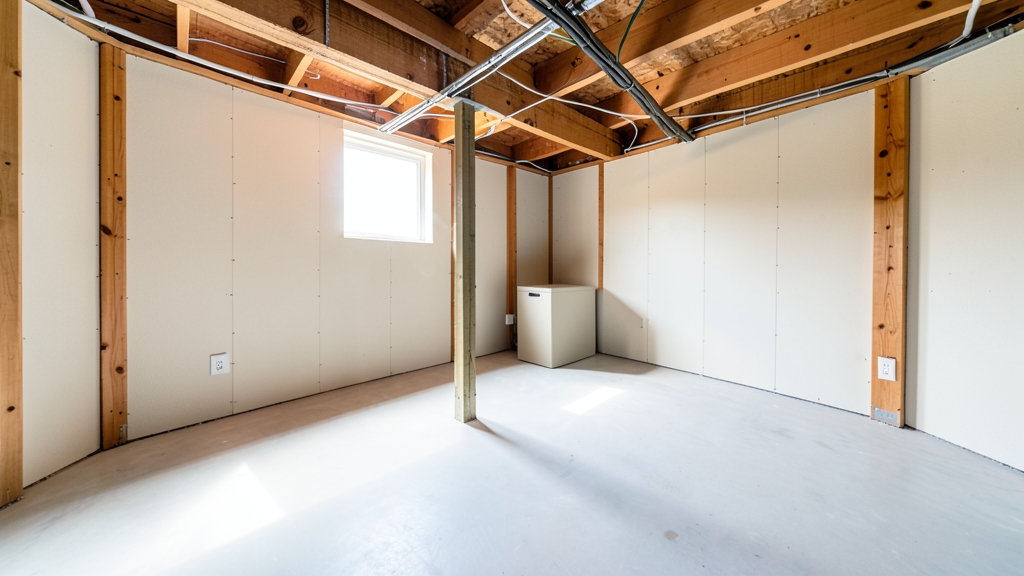
Mold isn’t just an unsightly nuisance—it’s a silent agitant for chronic respiratory conditions. In Parsippany-Troy Hills, where humid summers and damp basements create ideal breeding grounds, mold spores can exacerbate asthma, allergies, and even long-term lung issues. We’ll break down the science, the risks, and the steps to safeguard your home and health.
How Mold Spores Affect Your Respiratory System
Mold reproduces by releasing microscopic spores into the air. When inhaled, these spores can trigger immune responses, inflaming airways and sinuses—especially in those with pre-existing conditions like asthma or allergies.
In severe cases, prolonged exposure to certain molds (e.g., *Stachybotrys* or *Aspergillus*) may lead to hypersensitivity pneumonitis, a chronic lung disease. Even healthy individuals can experience coughing, wheezing, or throat irritation.
Why Parsippany-Troy Hills Homes Are at Higher Risk
Our region’s climate—warm, humid summers and cold, wet winters—creates perfect conditions for mold growth. Poorly ventilated basements, crawl spaces, and attics in older homes (common in Morris Plains or Denville) trap moisture, accelerating mold colonization.
Flooding or water damage from heavy rains (frequent in areas like Boonton or Montville) can also introduce mold behind walls or under flooring, where it thrives undetected. Without professional mold inspection, these hidden infestations can worsen over time.
Mold often grows behind drywall, under carpeting, or in HVAC ducts. If you smell a musty odor but see no visible mold, assume it’s there—until proven otherwise.
Common Respiratory Conditions Linked to Mold Exposure
Allergic rhinitis (hay fever) is one of the most frequent reactions, causing sneezing, itchy eyes, and nasal congestion. For asthma sufferers, mold spores act as potent triggers, leading to increased attacks and reduced lung function.
Chronic sinusitis and bronchitis can also develop or worsen due to long-term exposure. In rare cases, immunocompromised individuals may face invasive fungal infections, which require immediate medical attention.
| Condition | Symptoms | Mold-Related Risk Factors |
|---|---|---|
| Allergic Rhinitis | Sneezing, runny nose, itchy eyes | High indoor spore counts, poor ventilation |
| Asthma | Wheezing, shortness of breath, chest tightness | Damp environments, hidden mold in ducts |
| Chronic Sinusitis | Nasal congestion, facial pain, postnasal drip | Moisture in basements or crawl spaces |
| Hypersensitivity Pneumonitis | Cough, fever, fatigue | Prolonged exposure to organic dusts or molds |
Signs Your Home May Have a Mold Problem
Visible mold growth on walls, ceilings, or floors is the most obvious sign. But mold often hides. Look for water stains, peeling paint, or warped walls—these indicate past or ongoing moisture issues.
A persistent musty odor is another red flag. If your home smells damp, especially after rain or in lower levels, it’s time for a professional mold inspection and air quality testing.
Mold Detection Checklist
- Unexplained musty odors in any room
- Visible mold patches (black, green, white, or orange)
- Water stains or discoloration on walls/ceilings
- Peeling paint or wallpaper
- Condensation on windows or in attics
- Recent water damage or flooding
The Role of Indoor Air Quality Testing
Air quality testing identifies mold spores and mycotoxins in your home’s air, even when mold isn’t visible. We use specialized equipment to measure spore counts and compare them to outdoor baselines.
This data helps determine the severity of the infestation and guides our mold remediation strategy. In areas like Morristown or Montville, where older homes are common, testing is critical to uncover hidden risks.
Test after water damage, before purchasing a home, or if occupants experience unexplained respiratory symptoms. DIY test kits are unreliable—professional testing ensures accuracy.
How Mold Remediation Protects Your Health
Effective mold remediation goes beyond cleaning visible mold. Our team isolates the affected area, uses HEPA filtration to capture airborne spores, and addresses the root moisture issue to prevent recurrence.
For severe infestations in basements or attics, we may recommend encapsulation or improved ventilation. In commercial spaces, we follow strict protocols to minimize disruption and ensure safety.
Preventing Mold Regrowth After Remediation
Mold will return if moisture persists. We install dehumidifiers in crawl spaces, seal foundation cracks, and ensure proper grading around your home to divert water away from the structure.
Regular HVAC maintenance is also key. Clogged filters or ductwork can recirculate spores. In humid months, keep indoor humidity below 50%—a simple but critical step for Parsippany-Troy Hills homeowners.
How to Reduce Mold Exposure at Home
These steps can help minimize mold spores and protect your respiratory health while you arrange professional remediation.
- 1Improve Ventilation
Use exhaust fans in bathrooms and kitchens. Open windows when weather permits to circulate fresh air.
- 2Control Humidity
Run dehumidifiers in basements and crawl spaces. Aim for 30-50% humidity indoors.
- 3Fix Leaks Promptly
Inspect pipes, roofs, and windows for leaks. Even small drips can lead to mold growth within days.
- 4Clean with Mold-Killing Products
Use a mixture of water and bleach (1:10 ratio) for non-porous surfaces. For porous materials like drywall, professional remediation is necessary.
- 5Use HEPA Filters
Upgrade your HVAC system with HEPA filters to trap airborne spores. Replace filters every 1-3 months.
- 6Inspect Hidden Areas
Check under sinks, behind appliances, and in attics for signs of moisture or mold. Pay special attention after heavy rains or flooding.
Frequently Asked Questions
Can mold in my Parsippany-Troy Hills home cause long-term lung damage?
Yes, prolonged exposure to high levels of mold spores can lead to chronic conditions like asthma, hypersensitivity pneumonitis, or even permanent lung scarring. The risk depends on the type of mold, exposure duration, and individual health.
How do I know if my respiratory symptoms are mold-related?
If symptoms like coughing, sneezing, or wheezing improve when you’re away from home but worsen upon return, mold may be the culprit. A doctor can confirm allergies, while professional air quality testing identifies mold spores.
Is black mold more dangerous than other types?
Black mold (*Stachybotrys*) produces mycotoxins that can be harmful, but not all black mold is toxic. The color alone doesn’t determine risk—professional testing is required to assess the specific mold and its potential health impacts.
Can I clean mold myself, or do I need a professional?
Small, surface-level mold (less than 10 square feet) can often be cleaned with proper precautions. However, hidden mold, large infestations, or mold in HVAC systems require professional remediation to ensure spores are fully removed and don’t return.
What areas near Parsippany-Troy Hills are most prone to mold issues?
Older homes in Morris Plains, Denville, and Montville often face mold challenges due to aging infrastructure and poor ventilation. Boonton’s proximity to waterways can also increase moisture levels, raising mold risks in basements and crawl spaces.
How quickly can mold start growing after water damage?
Mold can begin colonizing within 24-48 hours of water exposure. This is why immediate water damage restoration is critical to prevent infestations. Even minor leaks or condensation can lead to rapid mold growth if left unaddressed.