Expert Mold Prevention Tips for Older Homes in Parsippany-Troy Hills
Older homes in Parsippany-Troy Hills carry charm—and unique vulnerabilities to mold. Their aged plumbing, settling foundations, and poor ventilation create perfect conditions for spores to thrive. We’ve remediated countless historic properties here and know exactly how to keep them safe, dry, and mold-free.
Why Older Homes Are More Prone to Mold Growth
Aged construction materials like wood lath, plaster, and unsealed masonry absorb moisture far more readily than modern synthetics. This makes them prime real estate for mold colonies to take hold and spread.
Many older homes lack vapor barriers in crawl spaces or attics, allowing ground moisture and condensation to migrate indoors. Parsippany-Troy Hills’ humid summers and wet springs only accelerate the problem.
Outdated plumbing and roofing systems are common in neighborhoods like Lake Hiawatha or Powder Mill. Even small, slow leaks can saturate structural wood or drywall over time, fostering hidden mold growth.
Critical Areas to Inspect in an Older Home
Start with the basement or crawl space—these are ground zero for moisture intrusion. Look for efflorescence (white mineral deposits) on foundation walls, a telltale sign of water seepage.
Attics often trap heat and humidity, especially with poor ventilation. Check for stained rafters, damp insulation, or a musty odor, which indicate past or ongoing leaks.
Don’t overlook hidden spaces: behind knee walls, under sinks, and around chimneys. Older homes in Morris Plains or Boonton often have complex layouts with many nooks where mold can hide undetected.
Mold Hotspots in Older Homes
- Basements and crawl spaces with dirt floors
- Attics with insufficient soffit or ridge vents
- Bathrooms with non-exhausted fans or no fans at all
- Kitchens with leaks under sinks or behind refrigerators
- Window sills and frames with condensation buildup
- Around old chimneys and flues where flashing may have failed
Moisture Control: The Foundation of Mold Prevention
Mold cannot grow without moisture. Controlling humidity levels—ideally between 30-50%—is the single most effective prevention strategy for older homes in our climate.
Dehumidifiers are essential in basements and crawl spaces, especially during New Jersey’s humid summer months. Choose units with built-in hygrostats for automatic moisture management.
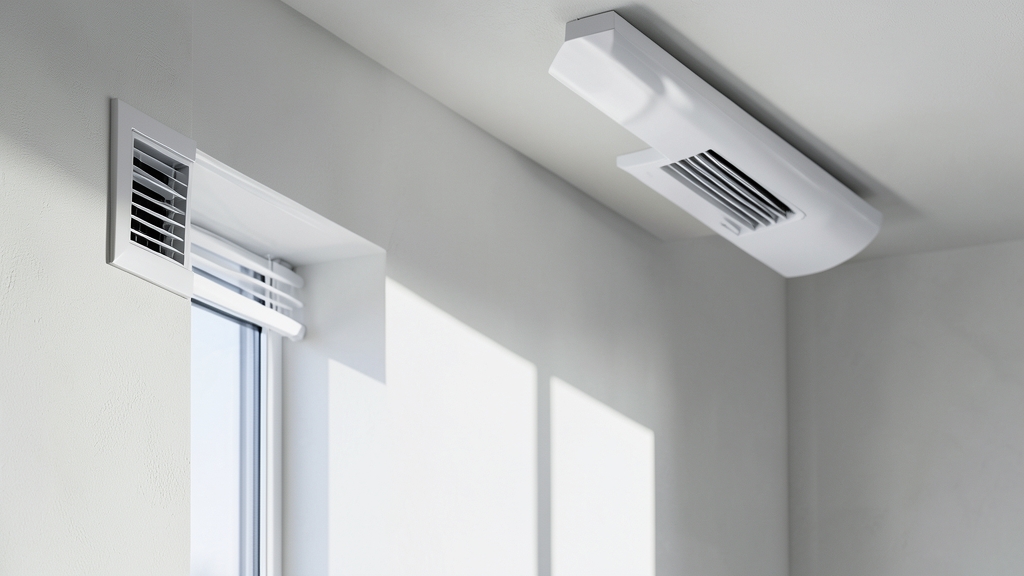
Improving airflow is equally critical. Install exhaust fans in bathrooms and kitchens, and ensure attic and crawl space vents are unobstructed. In Montville or Denville, where older homes often have sealed attics, adding a whole-house fan can work wonders.
Encapsulating a crawl space with a vapor barrier and adding a small dehumidifier can reduce moisture levels by up to 60%. This is a game-changer for homes in Parsippany-Troy Hills with chronically damp crawl spaces.
Ventilation Upgrades for Historic Properties
Many older homes were built with minimal ventilation, relying on natural airflow. Today, that’s often insufficient. Adding soffit and ridge vents to attics prevents heat and moisture buildup that leads to mold and wood rot.
For bathrooms and kitchens, upgrade to high-CFM exhaust fans vented to the exterior—not into the attic. This is a common mistake we see in Morristown and Boonton homes, leading to attic mold outbreaks.
Whole-house ventilation systems, like energy recovery ventilators (ERVs), can introduce fresh air while expelling stale, humid air. These are ideal for tightly sealed older homes that have undergone energy-efficient upgrades.
Plumbing and Roofing: Stop Leaks Before They Start
Older homes often have galvanized steel or polybutylene plumbing, both prone to failure. A professional plumbing inspection can identify pipes at risk of leaking, which are a leading cause of hidden mold.
Roofs on historic homes may have multiple layers of shingles or failing flashing. Even a small roof leak can lead to extensive mold damage in attics and upper floors. Regular inspections, especially after heavy storms, are crucial.
Gutters and downspouts are another critical line of defense. Clogged or improperly sloped gutters can cause water to pool near the foundation, leading to basement or crawl space moisture issues.
| Issue | Risk Level | Mold Potential |
|---|---|---|
| Galvanized steel pipes | High | Very High (prone to rust and leaks) |
| Polybutylene pipes | High | High (degrades over time) |
| Failing roof flashing | Medium | High (attic and ceiling damage) |
| Clogged gutters | Medium | Moderate (foundation seepage) |
| Old caulking around windows | Low | Moderate (condensation and leaks) |
Material Choices That Resist Mold Growth
When renovating or repairing older homes, opt for mold-resistant materials. Pressure-treated wood, moisture-resistant drywall (like green board or paperless drywall), and closed-cell spray foam insulation are excellent choices.
Avoid carpeting in basements or bathrooms, as it traps moisture. Instead, use tile, vinyl, or sealed concrete flooring. In crawl spaces, a gravel vapor barrier can help divert moisture away from the home’s structure.
For attics, consider spray foam insulation, which not only resists mold but also seals air leaks. This is particularly effective in homes near Morris Plains, where temperature fluctuations can lead to condensation.
Never use standard drywall, particleboard, or OSD in basements, crawl spaces, or bathrooms. These materials absorb moisture quickly and are highly susceptible to mold growth.
Regular Maintenance: Your Best Defense
Prevention is far easier than remediation. Schedule annual inspections of your home’s plumbing, roof, and HVAC systems. A professional mold inspection can catch early signs of trouble before they escalate.
Keep an eye on humidity levels with a hygrometer, especially during seasonal transitions. Spring and fall in Parsippany-Troy Hills bring rapid temperature changes that can lead to condensation and mold growth.
Clean and inspect gutters twice a year, and ensure downspouts direct water at least 5-10 feet away from the foundation. This simple step can prevent countless moisture-related issues.
When to Call in the Professionals
If you detect a musty odor, see visible mold, or experience unexplained allergies or respiratory issues, it’s time for a professional mold inspection. We use thermal imaging and moisture meters to locate hidden mold behind walls or under flooring.
For homes with extensive water damage—such as after a flood or major leak—professional mold remediation is often necessary. DIY efforts can disturb spores and spread contamination further.
Commercial properties and multi-unit buildings in areas like Morristown or Denville require specialized expertise. Our team has experience in large-scale remediation and can handle everything from attic mold to crawl space encapsulation.
How to Conduct a DIY Mold Inspection in an Older Home
A thorough inspection can help you catch mold early and take action before it spreads.
- 1Gather Your Tools
You’ll need a flashlight, moisture meter (optional but helpful), screwdriver, and a hygrometer. Wear a mask and gloves for protection, especially if you suspect active mold.
- 2Check for Visible Signs
Look for dark spots, discoloration, or fuzzy growth on walls, ceilings, and floors. Pay special attention to corners, baseboards, and around windows.
- 3Inspect Hidden Areas
Use a screwdriver to gently probe areas like baseboards, under sinks, and behind appliances. Soft or crumbling wood indicates moisture damage and potential mold.
- 4Test for Moisture
Use a moisture meter to check for elevated moisture levels in walls, floors, or ceilings. Readings above 20% in wood or 15% in drywall suggest a problem.
- 5Monitor Humidity
Use a hygrometer to measure humidity in different rooms. If levels consistently exceed 50%, you’ll need to address ventilation or dehumidification.
- 6Document and Act
Take photos of any suspicious areas and note their locations. If you find mold or high moisture, contact a professional for testing and remediation.
Frequently Asked Questions
How often should I have my older Parsippany-Troy Hills home inspected for mold?
We recommend a professional mold inspection at least once a year, especially if your home has a history of moisture issues. After major storms, plumbing leaks, or renovations, schedule an additional inspection to catch any new problems early.
Can I use bleach to clean mold in my older home?
Bleach is not effective for porous materials like wood or drywall, as it only kills surface mold without addressing the roots. For non-porous surfaces, a vinegar or hydrogen peroxide solution is safer and more effective. For extensive mold, professional remediation is a recommended option.
What are the signs that my home’s humidity levels are too high?
Condensation on windows, a musty odor, or peeling paint and wallpaper are all red flags. You might also notice warped wood, bubbling drywall, or an increase in dust mites. A hygrometer can confirm if humidity is consistently above 50%.
Is mold in an older home always dangerous?
Not all mold is toxic, but any mold growth can compromise indoor air quality and trigger allergies or respiratory issues. Black mold (Stachybotrys) and other toxic varieties require immediate professional attention. Even non-toxic mold can cause structural damage if left unchecked.
Are there specific neighborhoods in Parsippany-Troy Hills more prone to mold issues?
Homes in low-lying areas or near water sources, such as those around the Whippany River or in Lake Hiawatha, are more susceptible to moisture intrusion. Older neighborhoods with mature trees, like Powder Mill, may also experience higher humidity and shade, which can contribute to mold growth.
What’s the difference between mold testing and mold inspection?
A mold inspection is a visual and physical assessment of your home to identify mold growth, moisture sources, and potential problem areas. Mold testing involves collecting air or surface samples to determine the type and concentration of mold spores present. Both are valuable, but testing is often recommended if mold is suspected but not visible.