How to Prevent Mold Growth in Basements and Crawl Spaces in Parsippany-Troy Hills
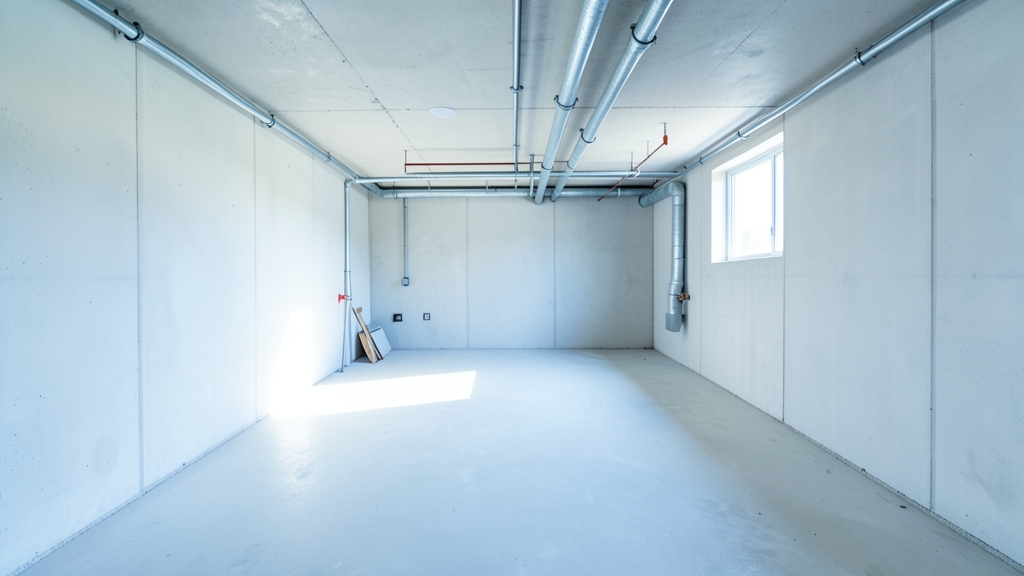
Basements and crawl spaces in Parsippany-Troy Hills are prime targets for mold growth due to our region’s humid summers and wet springs. We’ve seen firsthand how unchecked moisture leads to costly remediation—so prevention is a key defense. Here’s how to keep these areas dry and mold-free year-round.
Why Basements and Crawl Spaces Are Mold Magnets
Mold thrives in dark, damp, and poorly ventilated spaces—exactly what most basements and crawl spaces offer. In Parsippany-Troy Hills, seasonal temperature swings and high groundwater levels exacerbate the problem, especially in older homes with minimal insulation or drainage.
Organic materials like wood framing, cardboard, and drywall provide the perfect food source for mold spores. Once moisture levels exceed 60% relative humidity, spores can germinate within 24–48 hours, leading to colonies that spread rapidly if left unchecked.
Signs You’re at Risk for Mold in Your Basement or Crawl Space
Musty odors are the most common early warning sign. If your basement smells earthy or stale, it’s often a red flag for hidden mold or excess moisture.
Visible signs include water stains, efflorescence (white mineral deposits on walls), or dark spots on joists, subflooring, or insulation. Peeling paint or warped wood also indicate prolonged humidity issues.
In crawl spaces, look for sagging insulation, rusted ductwork, or standing water. These are clear indicators that moisture control is failing and mold growth is likely.
Red Flags for Mold Risk
- Persistent musty odors
- Water stains or discoloration on walls/floors
- Condensation on pipes or windows
- Peeling paint or bubbling wallpaper
- Standing water or damp soil in crawl spaces
- Rusted metal fixtures or hardware
Moisture Control: The Foundation of Mold Prevention
Controlling moisture is non-negotiable. In Parsippany-Troy Hills, exterior drainage systems like French drains or properly graded landscaping can divert water away from your foundation before it ever becomes a problem.
Interior solutions include sump pumps with battery backups—critical during heavy rains or power outages. A vapor barrier installed over crawl space soil can block ground moisture from evaporating into the air.
For basements, waterproofing sealants on walls and floors add an extra layer of protection, but they’re not a substitute for fixing leaks or poor drainage. Always address the root cause first.
Ventilation and Airflow: Keep the Air Moving
Stagnant air traps moisture and accelerates mold growth. In basements, a high-capacity dehumidifier rated for the space’s square footage is essential. Aim to maintain relative humidity below 50%—ideally between 30–40%.
Crawl spaces often benefit from encapsulation, which seals the area with a heavy-duty moisture barrier and conditions the air with a dehumidifier. This approach is especially effective in Morris County’s climate, where humidity can stay elevated for months.
Avoid relying solely on passive vents. In our humid summers, outside air can bring *more* moisture into the space, making the problem worse. Active ventilation or dehumidification is far more reliable.
For basements, choose a unit rated for at least 50 pints per day for spaces up to 2,000 sq. ft. Larger or wetter areas may need 70+ pints. Empty the tank regularly or opt for a model with a drain hose connection.
Insulation and Barriers: Stop Mold Before It Starts
Proper insulation prevents condensation on cold surfaces like foundation walls or ductwork. In basements, rigid foam board insulation is a top choice because it resists mold and doesn’t absorb moisture like fiberglass can.
In crawl spaces, avoid fiberglass batts if the area isn’t fully encapsulated. Instead, use closed-cell spray foam or rigid foam, which won’t wick moisture. Always pair insulation with a vapor barrier for maximum protection.
Seal gaps around pipes, vents, and electrical penetrations with expandable foam or caulk. These small openings can let in humid air, creating pockets of high moisture where mold can take hold.
| Type | Mold Resistance | Best For | Moisture Absorption |
|---|---|---|---|
| Rigid Foam Board | High | Basement walls, crawl space walls | None |
| Closed-Cell Spray Foam | High | Crawl space ceilings, rim joists | None |
| Fiberglass Batts | Low | Dry, encapsulated crawl spaces only | High |
| Rock Wool | Moderate | Basement ceilings (with vapor barrier) | Moderate |
Regular Maintenance: Your Best Defense Against Mold
Prevention isn’t a one-time fix—it’s an ongoing process. Inspect your basement and crawl space at least twice a year, ideally in spring and fall, when moisture levels fluctuate the most in Parsippany-Troy Hills.
Check for leaks in plumbing, HVAC systems, or foundation cracks. Even a slow drip can sustain mold growth over time. Clean gutters and extend downspouts at least 5 feet from the foundation to prevent water pooling near your home.
Replace damaged or wet insulation immediately. Once insulation is compromised, it becomes a breeding ground for mold and loses its effectiveness.
A pinhole leak in a pipe or a hairline crack in the foundation can introduce enough moisture to trigger mold growth within days. Address these issues promptly to avoid costly remediation later.
When to Call a Professional for Mold Remediation
If you discover mold covering 10 or more square feet, or if it’s in your HVAC system, it’s time to call in experts. DIY cleaning with bleach or store-bought sprays often fails to address the root moisture issue, leading to recurrence.
Our team serves Parsippany-Troy Hills, Morris Plains, Boonton, and surrounding areas with comprehensive mold inspection, testing, and remediation. We use HEPA filtration and containment protocols to prevent spores from spreading during removal.
For peace of mind, consider professional air quality testing if you suspect hidden mold or have unexplained health symptoms like allergies or respiratory issues. Mold can lurk behind walls or under flooring, undetectable without proper equipment.
How to Inspect Your Basement or Crawl Space for Mold Risks
A thorough inspection can help you catch moisture problems before they turn into mold infestations.
- 1Gather Your Tools
Use a flashlight, moisture meter (if available), and a notebook to document findings. A simple hygrometer can measure humidity levels.
- 2Check for Visible Signs
Look for water stains, dark spots, or white mineral deposits on walls, floors, and joists. Pay special attention to corners and areas near pipes or vents.
- 3Test for Moisture
Press a moisture meter against wood or drywall to check for elevated levels. If you don’t have a meter, tape a small square of plastic to the wall—condensation underneath after 24 hours indicates high humidity.
- 4Inspect Insulation and Vapor Barriers
Ensure insulation is dry and intact. In crawl spaces, check that vapor barriers are fully covering the soil and sealed at the seams.
- 5Assess Ventilation and Drainage
Confirm that dehumidifiers are running and drains are clear. Check that sump pumps are functional and that gutters are directing water away from the foundation.
- 6Document and Act
Note any issues and prioritize fixes. Small leaks or condensation can often be addressed with DIY solutions, but widespread moisture or mold requires professional remediation.
Frequently Asked Questions
How often should I run a dehumidifier in my Parsippany-Troy Hills basement?
Run it continuously during humid months (typically April–October in our area). In winter, use it as needed if humidity rises due to heating. Aim to keep relative humidity below 50% at all times.
Can I use bleach to clean mold in my crawl space?
Bleach only removes surface mold and doesn’t address the underlying moisture issue. It’s also ineffective on porous materials like wood or drywall. For small, non-porous areas, a vinegar or hydrogen peroxide solution is safer, but professional remediation is best for larger infestations.
What’s the difference between mold removal and mold remediation?
Mold removal refers to physically eliminating mold colonies, while remediation includes fixing the moisture source, containing spores, and restoring affected areas. True remediation prevents recurrence—removal alone often doesn’t.
Are there specific building codes for crawl spaces in New Jersey that help prevent mold?
Yes, New Jersey follows the International Residential Code (IRC), which requires crawl spaces to have proper ventilation, vapor barriers, and drainage. However, many older homes in Parsippany-Troy Hills and nearby towns like Morristown or Denville may not meet current standards, making upgrades essential.
How do I know if my basement’s musty smell is mold or just old house odors?
Mold odors are often described as earthy, damp, or rotten, and they persist even after cleaning. If the smell intensifies after rain or in humid weather, it’s likely mold. A professional mold inspection with air quality testing can confirm the presence of spores.
Does homeowners insurance cover mold remediation in Parsippany-Troy Hills?
Coverage varies by policy. Most standard policies exclude mold unless it’s a direct result of a covered peril, like a burst pipe. Review your policy or consult your insurer to understand your options. Documenting the cause (e.g., storm damage) can help with claims.