Understanding the Science Behind Mold and Mildew Growth in Parsippany-Troy Hills
Mold and mildew thrive in Parsippany-Troy Hills due to our humid summers and damp basements. Understanding their biology helps us stop them at the source—not just treat the symptoms. Our team uses this science to design targeted remediation plans for homes and businesses across Morris County.
What Fuels Mold and Mildew in North Jersey Homes
Mold and mildew are fungi that decompose organic matter. They reproduce via spores, which float through the air and settle on surfaces where moisture and food sources—like wood, drywall, or fabric—are present.
In Parsippany-Troy Hills, high indoor humidity (above 60%) and water intrusion from heavy rains or poor drainage create ideal conditions. Basements in Morris Plains or attics in Montville often harbor hidden colonies.
Mold vs. Mildew: Key Differences for Homeowners
Mildew is a surface-level fungus, typically white or gray, that grows on shower walls or windowsills. It’s easier to clean with household products and rarely damages structures.
Mold penetrates deeper into materials like drywall or wood, often appearing black, green, or brown. Left unchecked, it can compromise structural integrity and indoor air quality.
| Feature | Mildew | Mold |
|---|---|---|
| Appearance | Powdery, white/gray | Fuzzy/slimy, black/green/brown |
| Surface Depth | Grows on surface | Penetrates materials |
| Health Risk | Mild (allergies, irritation) | Moderate to severe (respiratory issues, mycotoxins) |
| Removal Difficulty | Easy (scrubbing, bleach) | Requires professional remediation |
| Common Locations | Bathrooms, kitchens | Basements, attics, crawl spaces, behind walls |
Why Parsippany-Troy Hills Is a Hotspot for Mold
Our region’s climate—warm, humid summers and cold, wet winters—creates a perfect storm. Poorly ventilated attics trap heat and moisture, while basements in older homes (common in Boonton or Denville) often lack proper waterproofing.
Flooding from the Whippany River or heavy storms can saturate crawl spaces. Even minor leaks in HVAC systems or roofs can sustain mold growth for months before it’s detected.
Mold often grows behind walls, under flooring, or in ductwork. If you smell a musty odor but see no visible growth, assume it’s hidden and call for a professional mold inspection.
Mold cannot grow without moisture. Sources include leaks, condensation, high humidity, or water damage from burst pipes or storms. In Parsippany-Troy Hills, basements and crawl spaces are particularly vulnerable due to groundwater seepage.
Even small moisture issues, like a slow drip under a sink, can lead to widespread colonization if left unaddressed. Dehumidifiers and proper ventilation are critical for prevention.
Health Effects: When to Take Action
Exposure to mold spores can trigger allergies, asthma attacks, or skin irritation. Prolonged exposure may lead to chronic respiratory issues, especially in children, the elderly, or those with compromised immune systems.
Black mold (Stachybotrys) produces mycotoxins linked to severe health problems. If occupants report headaches, fatigue, or respiratory symptoms, a mold inspection and air quality testing are urgent.
Mold can begin growing within 24–48 hours of water exposure. If your home in Morristown or Montville experiences flooding or leaks, dry the area immediately and request a quote for professional remediation.
How Mold Spreads Through Your Home
Mold spores are microscopic and travel through the air, HVAC systems, or even on clothing and pets. Once they land on a damp, organic surface, they germinate and form colonies.
In multi-level homes, mold in a basement can spread upward via air currents or shared ductwork. This is why comprehensive mold testing and air quality assessments are essential for accurate remediation.
Prevention Strategies for Parsippany-Troy Hills Residents
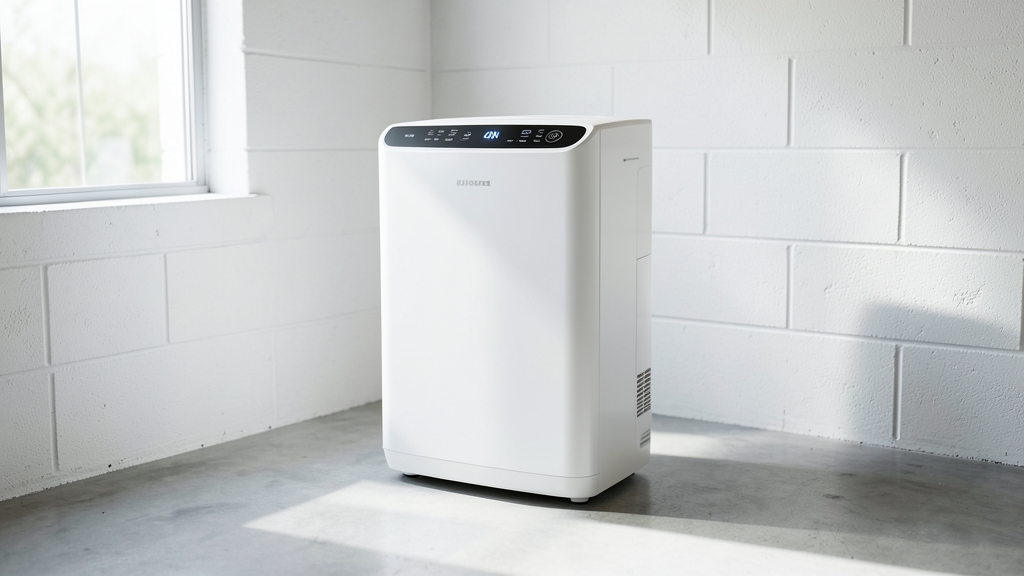
Control humidity with dehumidifiers, especially in basements and crawl spaces. Aim for 30–50% indoor humidity year-round.
Inspect roofs, gutters, and downspouts annually to prevent water intrusion. Ensure proper grading around your home’s foundation to direct water away.
Use mold-resistant products (e.g., paperless drywall, moisture-barrier paint) in high-risk areas like bathrooms or basements. Regularly clean and dry water-prone spaces.
Mold Prevention Checklist
- Fix leaks in roofs, pipes, or windows immediately
- Use exhaust fans in bathrooms and kitchens
- Ventilate crawl spaces and attics
- Clean and dry water-damaged areas within 48 hours
- Schedule annual mold inspections for high-risk areas
When to Call a Professional for Mold Remediation
DIY solutions work for small, surface-level mildew but fail for larger or hidden mold infestations. If mold covers more than 10 square feet, or if it’s in your HVAC system, professional remediation is necessary.
Our team serves Parsippany-Troy Hills, Morris Plains, and beyond with thorough mold removal, including containment, HEPA air scrubbing, and moisture control to prevent recurrence. We also handle commercial mold remediation for local businesses.
How to Identify Hidden Mold in Your Home
Hidden mold can lurk unseen but still pose serious risks.
- 1Follow Your Nose
A musty, earthy odor is a telltale sign of mold, even if you can’t see it. Pay attention to basements, attics, and behind furniture.
- 2Inspect for Water Damage
Look for water stains, peeling paint, or warped walls/ceilings. These indicate past or ongoing moisture issues that may harbor mold.
- 3Check High-Risk Areas
Examine under sinks, around windows, behind appliances, and in crawl spaces. Use a flashlight to spot discoloration or fuzzy growth.
- 4Monitor Health Symptoms
Unexplained allergies, respiratory issues, or skin irritation among occupants may signal hidden mold. Track when symptoms worsen (e.g., in certain rooms).
- 5Use a Moisture Meter
These affordable tools measure moisture levels in walls or floors. Readings above 20% in wood or 1% in drywall suggest a problem.
- 6Schedule Professional Testing
If you suspect hidden mold but can’t confirm it, our team offers mold testing and air quality testing to identify spores and their sources.
Frequently Asked Questions
How does the climate in Parsippany-Troy Hills contribute to mold growth?
Our humid summers and cold, wet winters create persistent moisture in homes. Poor ventilation in older properties (common in areas like Boonton or Denville) traps humidity, while seasonal storms increase water intrusion risks in basements and crawl spaces.
Can mold return after remediation?
Yes, if the underlying moisture problem isn’t fixed. Professional remediation includes identifying and addressing the source—whether it’s a leak, poor drainage, or high humidity. Our team provides moisture control solutions to prevent recurrence.
Is black mold more dangerous than other types?
Black mold (Stachybotrys) produces mycotoxins that can cause severe health effects, but all mold should be treated seriously. The color alone doesn’t determine toxicity—professional testing identifies the species and risks.
What’s the difference between mold removal and mold remediation?
Removal refers to eliminating visible mold, while remediation addresses the root cause (e.g., moisture) and prevents regrowth. True remediation includes containment, air filtration, and structural drying—critical for homes in Morris County with recurring issues.
Do dehumidifiers prevent mold in basements?
Dehumidifiers help by reducing moisture, but they’re not a standalone solution. In Parsippany-Troy Hills, basements often need additional measures like waterproofing, proper drainage, or ventilation to fully prevent mold growth.
How quickly can mold grow after a flood in my Montville home?
Mold can begin colonizing within 24–48 hours of water exposure. Drying the area, removing damaged materials, and calling a professional for water damage restoration helps prevent widespread infestation.