Why Proper Mold Disclosure is Critical When Selling a Home in Parsippany-Troy Hills
Selling a home in Parsippany-Troy Hills without proper mold disclosure can derail a deal—or worse, lead to costly lawsuits. New Jersey law requires transparency about known defects, and hidden mold falls squarely in that category. Our team helps sellers navigate disclosure, testing, and remediation to ensure a smooth, legally sound transaction.
New Jersey’s Legal Requirements for Mold Disclosure
New Jersey’s Seller’s Property Disclosure Statement explicitly asks about water intrusion, mold, or moisture issues. Failing to disclose known mold can constitute fraud, exposing sellers to post-closing litigation.
Even if mold isn’t visible, past water damage or musty odors in basements, crawl spaces, or attics must be reported. Buyers in Morris County often request independent mold inspections, especially in older homes or properties near flood-prone areas like the Whippany River.
Non-disclosure can void a sale or result in lawsuits for damages, attorney fees, and remediation costs. Always err on the side of full transparency.
How Undisclosed Mold Affects Home Sales in Parsippany-Troy Hills
Buyers in Parsippany-Troy Hills, Morristown, or Denville often walk away if mold is discovered post-inspection. Even minor issues can trigger renegotiations, price reductions, or demands for professional remediation before closing.
Lenders may also require mold clearance certificates for FHA or VA loans. Without one, financing can fall through, leaving sellers scrambling to address the problem under pressure.
Common Mold Hotspots in Local Homes
Our team frequently finds mold in basements and crawl spaces due to Parsippany-Troy Hills’ humid summers and wet springs. Poor drainage, cracked foundations, or faulty sump pumps exacerbate the issue.
Attics are another high-risk area, especially in older homes in Morris Plains or Boonton. Roof leaks, improper ventilation, or condensation from temperature swings create ideal conditions for Aspergillus or Penicillium growth.
| Area | Common Mold Types | Primary Cause |
|---|---|---|
| Basement | Stachybotrys, Cladosporium | Water seepage, high humidity, poor ventilation |
| Crawl Space | Aspergillus, Penicillium | Moisture from soil, lack of vapor barrier |
| Attic | Aspergillus, Alternaria | Roof leaks, poor attic ventilation |
| Bathrooms | Chaetomium, Ulocladium | Chronic moisture, leaky pipes or fixtures |
| HVAC Systems | Acremonium, Fusarium | Condensation in ductwork, dirty filters |
The Role of Professional Mold Inspection and Testing
A visual inspection isn’t enough. Our mold testing in Parsippany-Troy Hills includes air and surface sampling to identify spore types and concentrations. This data determines whether remediation is necessary and guides the scope of work.
Air quality testing is critical in homes with hidden mold or after water damage. Elevated spore counts in indoor air compared to outdoor baselines confirm contamination, even if mold isn’t visible.
Conduct a mold inspection before listing. Addressing issues upfront can prevent delays and strengthen your negotiating position.
Mold Remediation: What Sellers Need to Know
Proper remediation isn’t just cleaning—it’s a multi-step process. Our team in Parsippany-Troy Hills starts with containment to prevent spore spread, followed by HEPA vacuuming, antimicrobial treatment, and moisture control measures.
Post-remediation verification (PRV) is essential. We conduct clearance testing to confirm spore levels return to normal, providing documentation that reassures buyers and lenders.
Cost Factors in Mold Remediation for Sellers
Remediation costs vary based on the extent of contamination, affected materials, and accessibility. Basement and crawl space mold in Parsippany-Troy Hills often requires more labor due to confined spaces and structural considerations.
Factors like the type of mold (e.g., toxic black mold vs. common household mold), the need for demolition, and whether contents must be removed all influence pricing. For an accurate estimate, request a quote after a thorough assessment.
How to Disclose Mold to Buyers Transparently
Be specific in your disclosure. Note the location (e.g., basement corner near the sump pump), the date it was discovered, and any steps taken to address it, such as water damage restoration or mold remediation.
Attach supporting documents, like inspection reports, remediation invoices, or clearance certificates. This builds trust and demonstrates due diligence, which can be a selling point in competitive markets like Montville or Boonton.
Preventing Future Mold Issues for a Smooth Sale
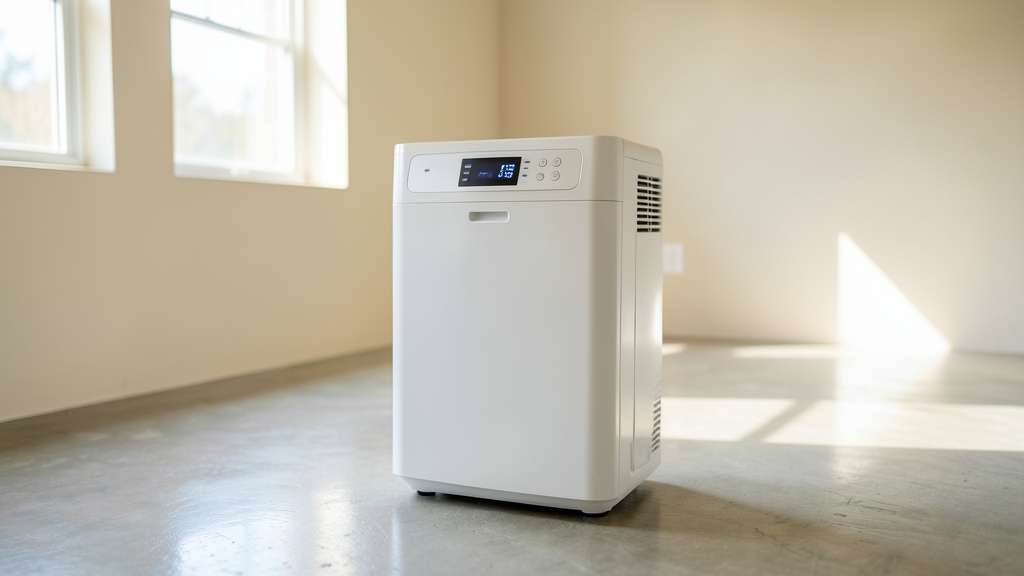
Moisture control is key to preventing recurrence. Our team recommends solutions like dehumidifiers, improved ventilation, or crawl space encapsulation for Parsippany-Troy Hills homes prone to dampness.
Regular maintenance—cleaning gutters, repairing roof leaks promptly, and monitoring humidity levels—can prevent mold from becoming a disclosure issue in the first place.
Mold Prevention Checklist for Sellers
- Inspect and repair roof leaks annually
- Ensure proper grading away from the foundation
- Use exhaust fans in bathrooms and kitchens
- Maintain indoor humidity below 50%
- Service HVAC systems to prevent condensation buildup
- Seal cracks in basements and crawl spaces
How to Handle Mold Disclosure Like a Pro
Follow these steps to ensure compliance and protect your sale.
- 1Conduct a Pre-Listing Mold Inspection
Hire a professional to assess your home for mold, especially in high-risk areas like basements, attics, and crawl spaces. This identifies issues before they derail a deal.
- 2Address Any Mold Problems
If mold is found, hire a remediation team to resolve it. Request documentation of the work, including clearance testing results.
- 3Complete the Seller’s Disclosure Form Honestly
Disclose all known mold issues, past or present, including the location, extent, and any remediation performed. Attach supporting documents.
- 4Provide Documentation to Buyers
Share inspection reports, remediation invoices, and clearance certificates with potential buyers. Transparency reduces the risk of negotiations stalling.
- 5Be Prepared for Buyer Requests
Buyers may ask for additional testing or remediation. Work with your real estate agent to negotiate fairly while protecting your interests.
Frequently Asked Questions
Is mold disclosure required by law in Parsippany-Troy Hills?
Yes. New Jersey’s Seller’s Property Disclosure Statement legally requires sellers to disclose known mold, water damage, or moisture issues. Failing to do so can lead to legal consequences.
Can I sell my home as-is with mold?
You can, but it’s risky. Buyers in Parsippany-Troy Hills, Morristown, or Denville may demand a price reduction, request remediation, or walk away. Full disclosure is the safer path.
How do I know if my home has hidden mold?
Hidden mold often leaves clues: musty odors, water stains, or peeling paint. Professional mold testing, including air and surface sampling, can detect contamination even if it’s not visible.
What’s the difference between mold inspection and mold testing?
A mold inspection is a visual assessment of your home for signs of mold or moisture. Mold testing involves collecting samples (air, surface, or bulk) to identify spore types and concentrations, confirming contamination.
Will mold remediation delay my home sale?
It can, but proactive remediation often speeds up the process. Most projects in Parsippany-Troy Hills take 1-5 days, and clearance testing adds another 1-2 days. Addressing it early avoids last-minute surprises.
Do I need to disclose mold that was already remediated?
Yes. New Jersey law requires disclosure of past issues, even if resolved. Provide documentation of the remediation and clearance testing to reassure buyers.