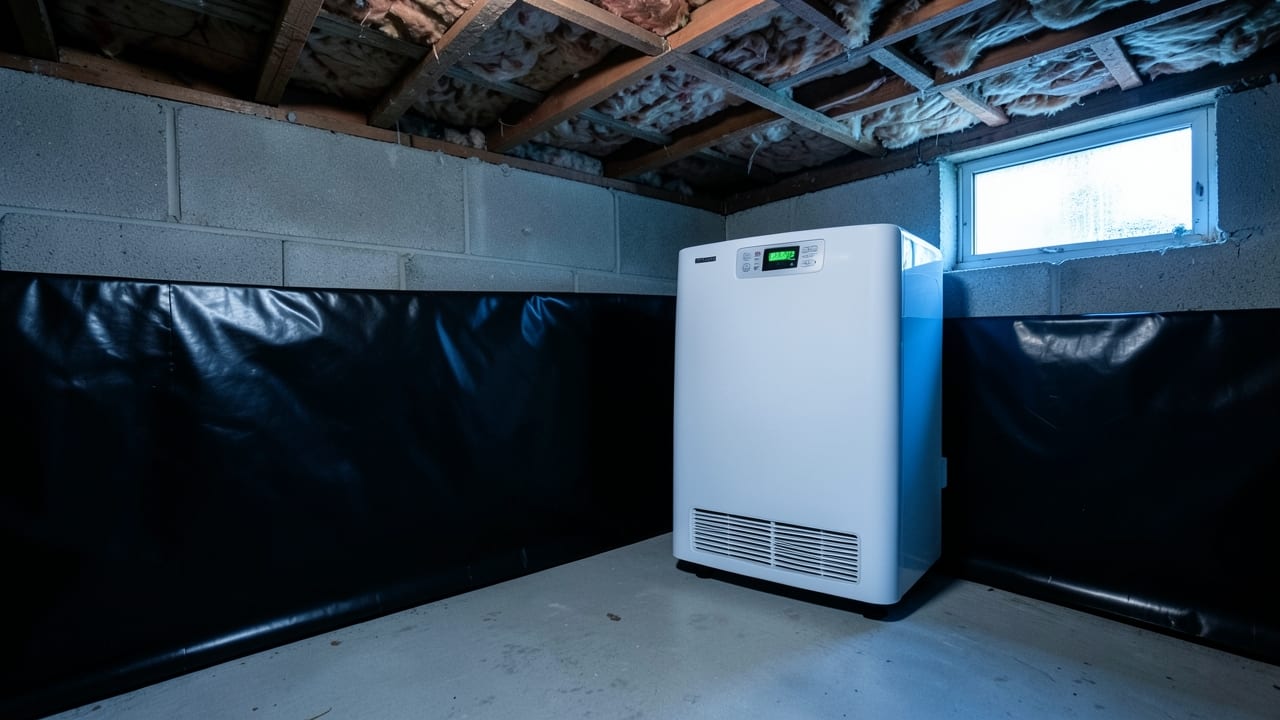
Mold Prevention & Moisture Control
Mold prevention and moisture control in Parsippany-Troy Hills, NJ — addressing ventilation, humidity, and drainage before growth starts, not after.
In Parsippany-Troy Hills, NJ, mold prevention and moisture control target the root causes—high humidity, poor ventilation, and water intrusion—to stop mold before it starts. Tailored solutions like dehumidifiers, proper grading, and exhaust systems protect homes in this humid, four-season climate.
Why Prevention Beats Remediation
Mold thrives in damp, poorly ventilated spaces common in Parsippany-Troy Hills homes, especially basements and crawl spaces. Prevention focuses on controlling humidity, improving airflow, and eliminating moisture sources before mold can take hold.
We also handle Brick Masonry Mold Treatment and Stairwell Mold Remediation for Parsippany-Troy Hills properties.
Indoor humidity above 60% can sustain mold growth on dry surfaces over time. A correctly sized dehumidifier, paired with exterior ventilation and moisture barriers, keeps levels safe year-round.
Signs Your Home Needs Moisture Control
Musty odors, condensation on windows, or peeling paint often signal excess moisture. Water stains on ceilings or walls may indicate leaks or poor ventilation.
Common Warning Signs
- Persistent musty odors in basements or bathrooms
- Condensation on windows or walls, especially in cooler months
- Peeling paint or wallpaper, particularly in high-humidity areas
- Water stains on ceilings, walls, or around windows
- Visible mold growth or dark spots on surfaces
Tailored Solutions for Parsippany-Troy Hills Homes
Older homes in the area often lack modern ventilation or have poor grading. Exterior improvements like extending downspouts and regrading soil keep water away from foundations.
Interior fixes include installing bathroom and kitchen exhaust fans vented outside, adding attic ventilation, and placing dehumidifiers in basements or crawl spaces.
How Mold Prevention & Moisture Control Works
Our process identifies and addresses moisture sources before mold can grow.
- 1Assessment
We inspect your home for humidity levels, ventilation gaps, and moisture entry points, including basements, attics, and crawl spaces.
- 2Moisture Source Identification
We pinpoint issues like poor grading, leaky gutters, or inadequate exhaust fans that contribute to excess moisture.
- 3Solution Design
We recommend fixes such as dehumidifiers, exterior grading adjustments, or improved ventilation tailored to your home’s needs.
- 4Implementation
Our team installs or repairs systems like exhaust fans, downspout extensions, or dehumidifiers to control moisture long-term.
Frequently Asked Questions
How do I know if my home’s humidity is too high?
Use a hygrometer to measure indoor humidity. Levels consistently above 60% can support mold growth, even on dry surfaces. A dehumidifier sized to the space can help maintain safe levels.
Does my bathroom exhaust fan need to vent outside?
Yes. Fans vented into attics or other enclosed spaces can trap moisture, leading to mold. Always vent exhaust fans directly outside to remove humid air effectively.
Can I bundle a prevention assessment with a mold inspection?
Absolutely. We offer prevention assessments as a standalone service or bundled with a full mold inspection. Pricing varies based on the improvements your property needs.
What’s the most common moisture issue in Parsippany-Troy Hills homes?
Poor grading and improper gutter discharge are frequent culprits. Many older homes have soil sloping toward the foundation or downspouts emptying too close to the house, allowing water to seep into basements or crawl spaces.
See Dover, NJ for more, or see our full Parsippany-Troy Hills-area coverage by category for our complete lineup.
Ready to get started?
Talk to a local mold remediation pro in Parsippany-Troy Hills — get a written quote.
Other Mold Remediation Services in Parsippany-Troy Hills
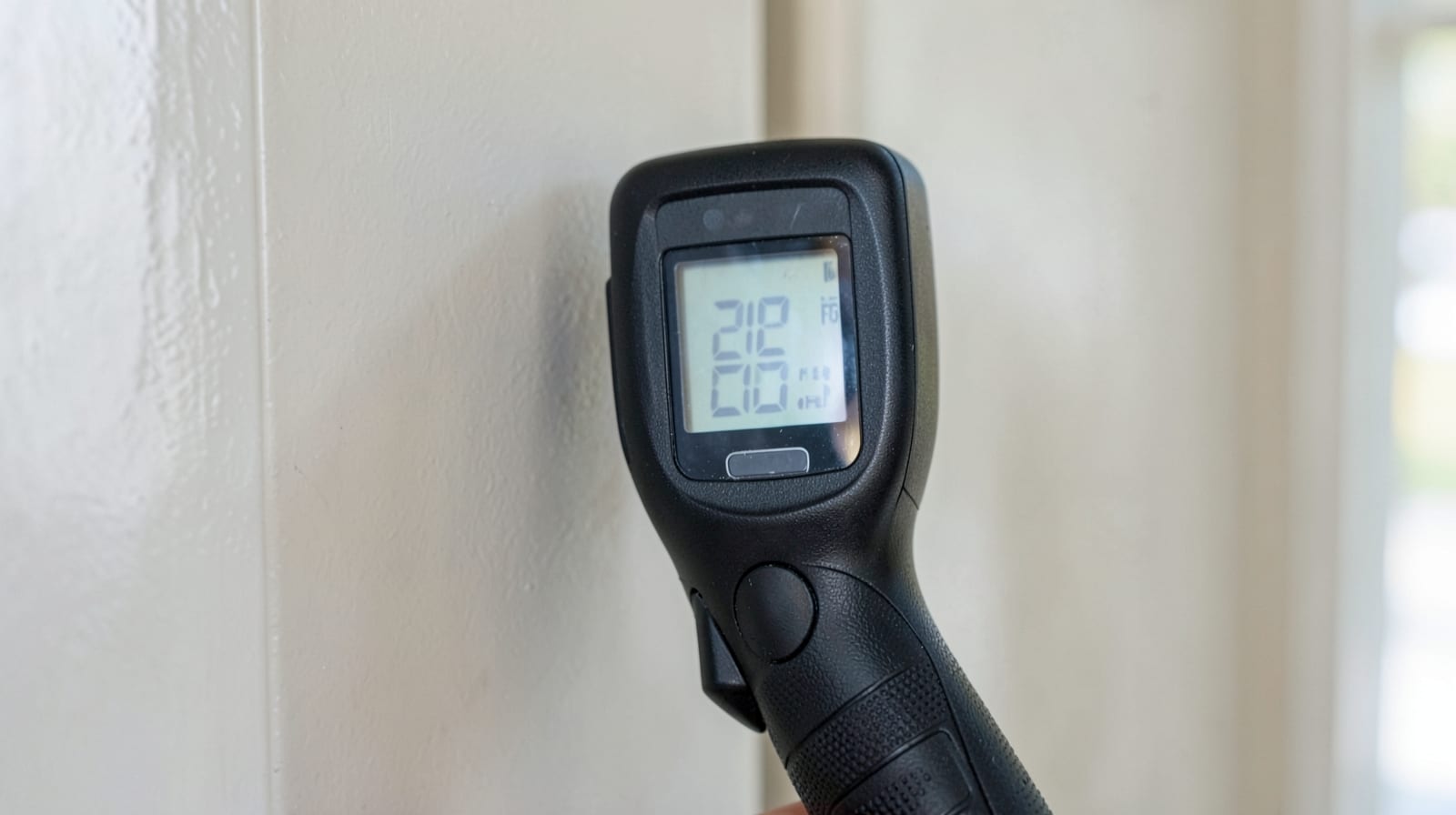
Brick Masonry Mold Treatment in Parsippany-Troy Hills, NJ
Professional mold treatment and removal from brick masonry to restore structural integrity and indoor air quality.
Learn More
Stairwell Mold Remediation in Parsippany-Troy Hills, NJ
Professional mold removal and prevention in stairwells to restore safe, clean spaces.
Learn More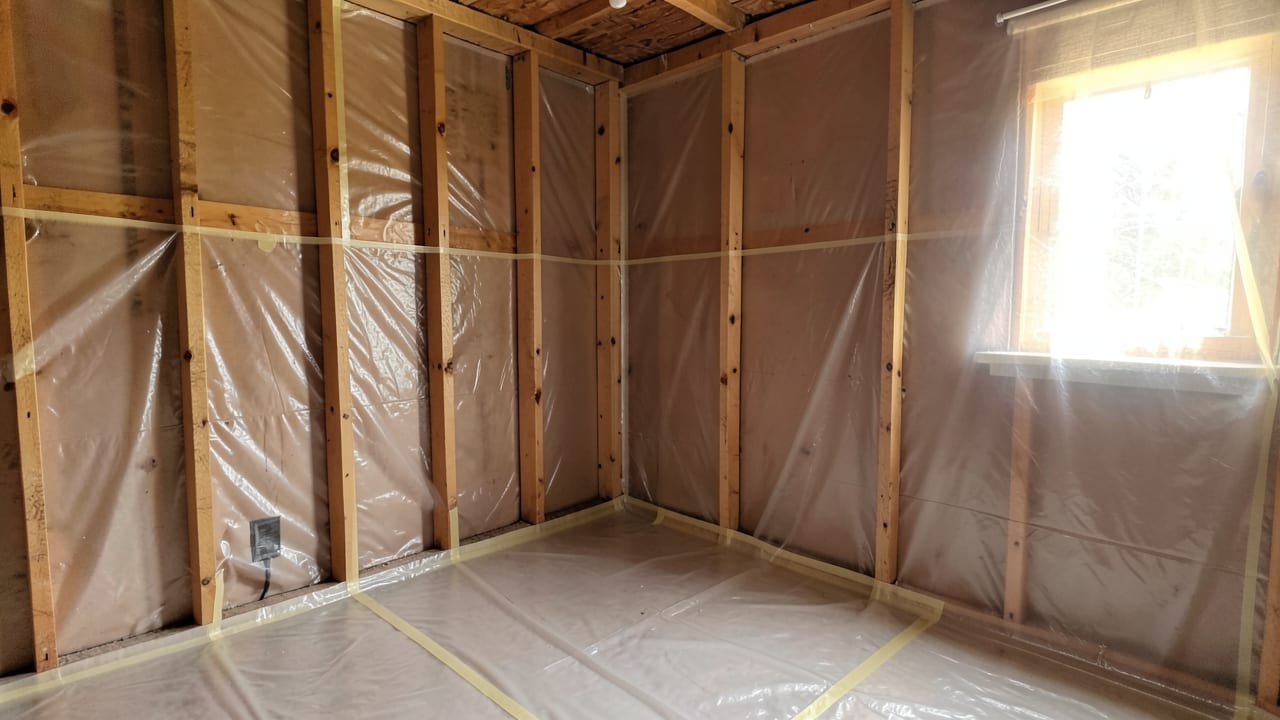
Sunroom Mold Remediation in Parsippany-Troy Hills, NJ
Professional removal and treatment of mold in sunrooms to restore a safe, clean space.
Learn More
Closet Mold Cleanup in Parsippany-Troy Hills, NJ
Professional cleanup and removal of mold from closets to restore safe, healthy spaces.
Learn More
Hallway Mold Remediation in Parsippany-Troy Hills, NJ
Professional removal and treatment of mold growth in residential hallways.
Learn More
HOA Mold Remediation in Parsippany-Troy Hills, NJ
Professional mold removal and remediation for HOA properties to restore safe, healthy living conditions.
Learn MoreCommon Questions About Mold Remediation in Parsippany-Troy Hills
Everything you need to know about mold remediation services in Parsippany-Troy Hills
How much does Mold Prevention & Moisture Control typically cost in Parsippany-Troy Hills, NJ?
Why does Parsippany-Troy Hills, NJ's humidity make mold a bigger risk than in drier regions?
Can mold growing inside HVAC ductwork spread to the rest of a home?
Does mold mean the same thing as mildew?
Does homeowners insurance typically cover mold remediation?
Is black mold actually more dangerous than other mold types?
Need Mold Remediation in Parsippany-Troy Hills?
Connect with local providers in Parsippany-Troy Hills for a detailed quote.
⏰ We answer your call • Serving all of Parsippany-Troy Hills and surrounding areas